
"Bolivia coffee altitude"
300 article(s) found

Boutique coffee beans Bolivia coffee is a dark horse?
Some time ago, the front street coffee on the shelves of a coffee from glass via, called Bolivian cocoa sun Kaddura. Bolivia has high altitude and diversified topography, creating high-quality and sour boutique coffee Bolivia is a dark horse producing area of boutique coffee in recent years, located in various estates with high-altitude and complex terrain in South America, with different characteristics. Front Street Coffee

A brief introduction to the treatment method of grinding degree and baking degree of fine coffee beans in Xuemai Manor with rich and unique aroma.
We know that Arabica coffee cannot be grown in cold places above 2000 meters above sea level. if the altitude is too high, coffee trees will frost because the temperature is too low. So Bolivian coffee is mainly grown in the Yungas region northeast of La Paz. It borders the Amazon basin and is about 1500-2500 meters above sea level with an average annual temperature of about 10-15 ℃. Therefore, guarantee

Citrus sour Bolivian Coffee Manor Snow vein Manor planting situation Climate altitude brief introduction
The early Bolivian coffee was of low quality and the market was very poor. Usually the picked coffee fruit is bumped all the way to the processing plant after a simple peeling treatment. Due to the imperfect infrastructure, the traffic is underdeveloped. Coffee farmers have to overcome the rugged mountain road and transport the beans to the higher altitude area of La Paz for washing. If the coffee fruit can not be delivered to the processing in time

Illimani, Calanawi, Bolivia| Mamani Family Farm Organic Beans
Professional coffee knowledge exchange More coffee bean information Please pay attention to Coffee Workshop (Weixin Official Accounts cafe_style) Illimani Iimani Mountain, Calanawi Province, Bolivia| Mamani Family Farm Organic Bean Flavor? Bolivia is a landlocked country known as the ancient plateau, coffee is mainly produced in the plateau at an altitude of 1,200 2,000 meters, the main origin for the north Cara

Lake Titicaca in Bolivia, washing iron, Bica boutique coffee beans, grindability, baking degree.
Roaster name: Dazhen Coffee Qianjie Cafe location: Guangzhou Baoqian Street 10 manufacturer contact information: 38364473 ingredients Table: own baking shelf life: 90 net content: 227g Packaging: bulk coffee beans ripe degree: whether coffee beans contain sugar: sugar-free origin: Bolivia roasting degree: moderate Lake Titicaca Copacabana countries: Bolivia

The history, culture, stories and allusions of the holy boutique beans of the Snow vein Manor in Bolivia.
For the exchange of professional baristas, please follow the coffee workshop (Wechat official account cafe_style) the history, culture, stories and allusions of the holy boutique beans of Snow vein Manor in Bolivia. BOLIVIA Bolivian population: 10461000 coffee-growing areas in Bolivia have never been significantly drawn, and because of this, different bean bakers use different naming conventions to describe different ones.
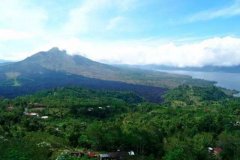
The story and story of Lake Titicaca in Bolivia tapping small farmers to wash iron and Pica boutique coffee beans.
Professional baristas Please pay attention to the Coffee Workshop (Wechat official account cafe_style) Bolivian coffee has the advantages of high altitude and excellent coffee varieties, where the traditional Tibica and a small amount of Kaddura are highly regarded on the world market. In the past, coffee trees in Bolivia used to act as hedges and ornaments around the garden. Real commercial production comes from
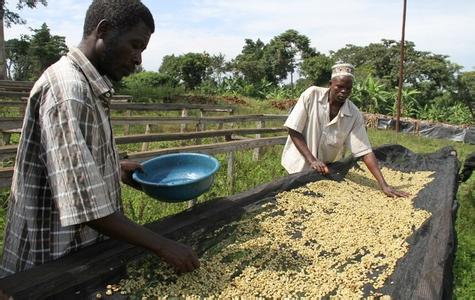
An introduction to the coffee flavor characteristics of Lake Titicaca coffee in Bolivia, the highest in South America.
Producing area: baking degree of Lake Titicaca: moderate baking method: washing variety: iron pickup producer: tapper Gabbana small farmer flavor: dry aroma of roasted nuts and almonds. Lake Titicaca of orange and pomelo is located on the Coaya Plateau on the border of Bolivia and Peru. it is the highest and largest freshwater lake in South America and the largest freshwater lake in the world.

Lake Titicaca in Bolivia: water washing, iron washing, Pica boutique coffee beans, origin, development, history and culture
The advantage of Bolivian coffee lies in its high altitude and excellent varieties of coffee, where the traditional Tibica and a small amount of Kaddura are highly valued in the world market. In the past, coffee trees in Bolivia used to act as hedges and ornaments around the garden. Real commercial production began in the early 1950s. The great frost in 1957 seriously damaged Pakistan.
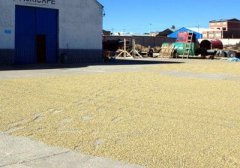
Lake Titicaca, Bolivia, small farmers, water washed, iron pica, fine coffee beans, freshly roasted, freshly ground.
Name: Dazhen Coffee Front Street Cafe Address: No.10 Baoanqian Street, Guangzhou City Factory Contact: 020-38364473 Ingredients List: Self-baked Shelf Life: 90 Net Content: 227g Packaging Method: Bulk Coffee Bean Ripe Degree: Coffee Ripe Bean Sugar Free Origin: Bolivia Roasting Degree: Moderately Roasted Lake Titicaca Copacabana Country: Bolivia

Bolivian coffee transportation difficulties limit the speed of its coffee development boutique coffee
Professional coffee knowledge exchange more coffee bean information please pay attention to the coffee workshop (Wechat official account cafe_style) Bolivia (Bolivia) Bolivian coffee, due to transportation difficulties limit the speed of development of its coffee, but the quality is not poor, Bolivian beans, are of good quality, with obvious fruit tone, sometimes with floral flavor.

Types and characteristics of Bolivian coffee beans
In the past, coffee trees in Bolivia used to act as hedges and ornaments around the garden. Real commercial production began in the early 1950s. The great frost of 1957 seriously damaged Brazil's coffee industry, while Bolivia (Bolivia) benefited from it and developed rapidly. Bolivian coffee is grown at an altitude of 180,670 meters above sea level.

A brief introduction to the Market Price of Fine Coffee Bean varieties in Xuemai Manor
Bolivia is not a big coffee producer, but the excellent altitude and climatic conditions of the La Paz Mountains make the coffee produced here is of excellent quality. Bolivian boutique coffee is delicate, bright, sweet and fragrant. It is a typical coffee that makes people feel clean and relaxed. The coffee here has subtle fruity aromas such as pears, apples, apricots, oranges and lemons. Malt and chocolate on the palate

The types, brand recommendations and estates of bica coffee beans in Lake Titicaca, Bolivia.
Professional baristas Please pay attention to the Coffee Workshop (Wechat official account cafe_style) Bolivian coffee has the advantages of high altitude and excellent coffee varieties, where the traditional Tibica and a small amount of Kaddura are highly regarded on the world market. In the past, coffee trees in Bolivia used to act as hedges and ornaments around the garden. Real commercial production comes from

A brief introduction to the treatment method of grinding degree and baking degree of fine coffee beans in Xuemai Manor with fruit aroma
The market for Bolivian coffee: the coffee grown in Bolivia, in which Arab washed coffee beans are exported to Germany and Sweden, is not the best taste today, and the advantage of Bolivian coffee with a bit of bitterness lies in its high altitude and excellent varieties of coffee, where the traditional Tibica and a small amount of Kaddura are highly valued in the world market. Bolivia is not coffee.

Cultivation of Bolivian boutique coffee beans with dried almonds: a brief introduction to geographical location, climate and altitude
Bolivia not only has a unique growing environment, but also has an excellent coffee variety Typica. In the past two hundred years, the main variety of coffee in Yanggas area is the ancient Tibica. Tibica coffee has a balanced and soft flavor, with lively aroma and rich sour taste. Unfortunately, the low production of Tibika and its poor disease resistance make Bolivia's

The characteristics of Snow vein Manor Coffee in Bolivia introduction to the types of coffee in Snow vein Manor
For the exchange of professional baristas, please follow the coffee workshop (Wechat official account cafe_style) Snow vein Manor Coffee in Bolivia. About 95% of the coffee in Bolivia is produced in this region. In the past, it has enjoyed a high reputation in Europe, as well as recently. This area extends to the east of the Andes.

The method of brewing coffee beans in Caranavi coffee producing area of Karanavi, Bolivia? Bolivian.
Professional coffee knowledge exchange more coffee bean information please follow the coffee workshop (Wechat official account cafe_style) Bolivia Karanawi Caranavi coffee production area coffee bean brewing method? What are the conditions for growing coffee in Bolivia? Bolivia is one of the most difficult growing areas in the world, and transportation and climate are the biggest problems. After a special relationship of origin this year

A brief introduction to the cultivation of sour Bolivian boutique coffee beans, geographical location, climate and altitude
The early Bolivian coffee was of low quality and the market was very poor. Usually the picked coffee fruit is bumped all the way to the processing plant after a simple peeling treatment. Due to the imperfect infrastructure, the traffic is underdeveloped. Coffee farmers have to overcome the rugged mountain road and transport the beans to the higher altitude area of La Paz for washing. If the coffee fruit can not be delivered to the processing in time

A brief introduction to the cultivation of Bolivian boutique coffee beans with balanced taste, geographical location, climate and altitude
The early Bolivian coffee was of low quality and the market was very poor. Usually the picked coffee fruit is bumped all the way to the processing plant after a simple peeling treatment. Due to the imperfect infrastructure, the traffic is underdeveloped. Coffee farmers have to overcome the rugged mountain road and transport the beans to the higher altitude area of La Paz for washing. If the coffee fruit can not be delivered to the processing in time